By clicking “Accept All Cookies”, you agree to the storing of cookies on your device to enhance site navigation, analyze site usage, and assist in our marketing efforts. View our Privacy Policy for more information.
Foot Pain Part 2 - What to do with Arch Pain and what does it typically mean?
Foot arch pain during squats, lunges or running? It might not be plantar fascia or Achilles. Discover the surprising reason your arch is hurting and the simple strength fixes that can stop it.
By
March 9, 2026

Related

In the last instalment I tried to differentiate heel pain on the bottom of foot (typically plantar fascia related pain) vs back of the heel/calf pain- with the achilles tendon most commonly being the culprit at this location. The very next day I had a client come in with foot pain at neither of the previous locations- rather the arch (inside) of the foot.
The first steps in this situation are to rule out a bone stress injury- if there’s any pain when directly pressing on any bone of the foot, or inability to weight bare, that’s beyond the scope of this article and my strong recommendation is to go to your GP to get confirmation and get imaging.
So assuming a bone stress injury has been ruled out and they have very localised muscular pain in the arch of their foot, I want to know what movements reproduce their pain. For this client it was-
● Squatting
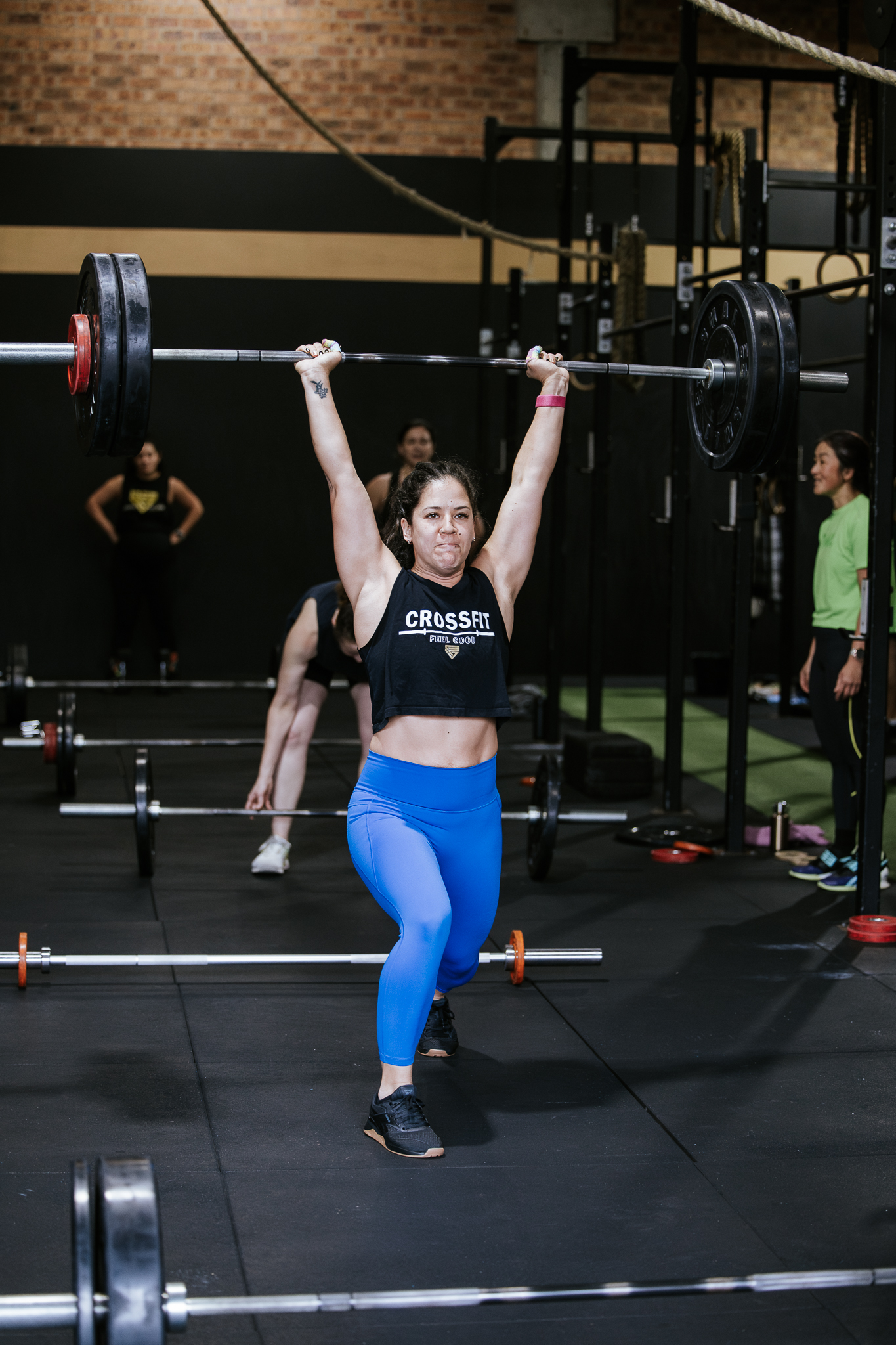
● Lunging
● Running
As soon as I got them out of shoes and socks I could clearly see the issue, the inability to maintain an appropriate arch, which simply translates to the inability to stabilise the foot. The following strategies were all successful-
● Cuing an active foot (equal pressure across knuckle of big toe, little toe and heel), along with putting a band around their knees during the squat. The band is a very short term strategy- as soon as they can develop the glute/hip tension that the band demands, we get rid of the band.
● RNT Split Squat (the band tries to pull you into a compromised position), with your glutes (and tibialis posterior) creating the requisite stability and position.
https://www.youtube.com/watch?v=Hen28oLII4Y
● Running barefoot was also pain free.
All of above adds up to an issue with one or both of two muscle groups (your glute medius and tibialis posterior). If your glute med isn’t strong enough during a lunge to keep your pelvis stable, you experience a hip drop with an associated arch drop (they almost always occur simultaneously). Similarly if your tibialis posterior is either working overtime to rectify the lost arch position OR isn’t strong enough to stabilise the arch, it will get cranky and this is the site of the pain (even though part of the root cause is up in the hips).
** A side note on why I believe the client was able to run barefoot without any pain. On their runs, they were wearing the old Nike free runs, which have a very narrow toe box and very minimal cushioning. A narrow toe box will push the big toe inwards, negating the ability it’s ability to assist in maintaining an appropriate arch. Running barefoot, allowed the foot to splay in it’s preferred position, reducing the need for the tib post to work overtime.
So if you ever experience arch pain, here’s what we need to check and then do-
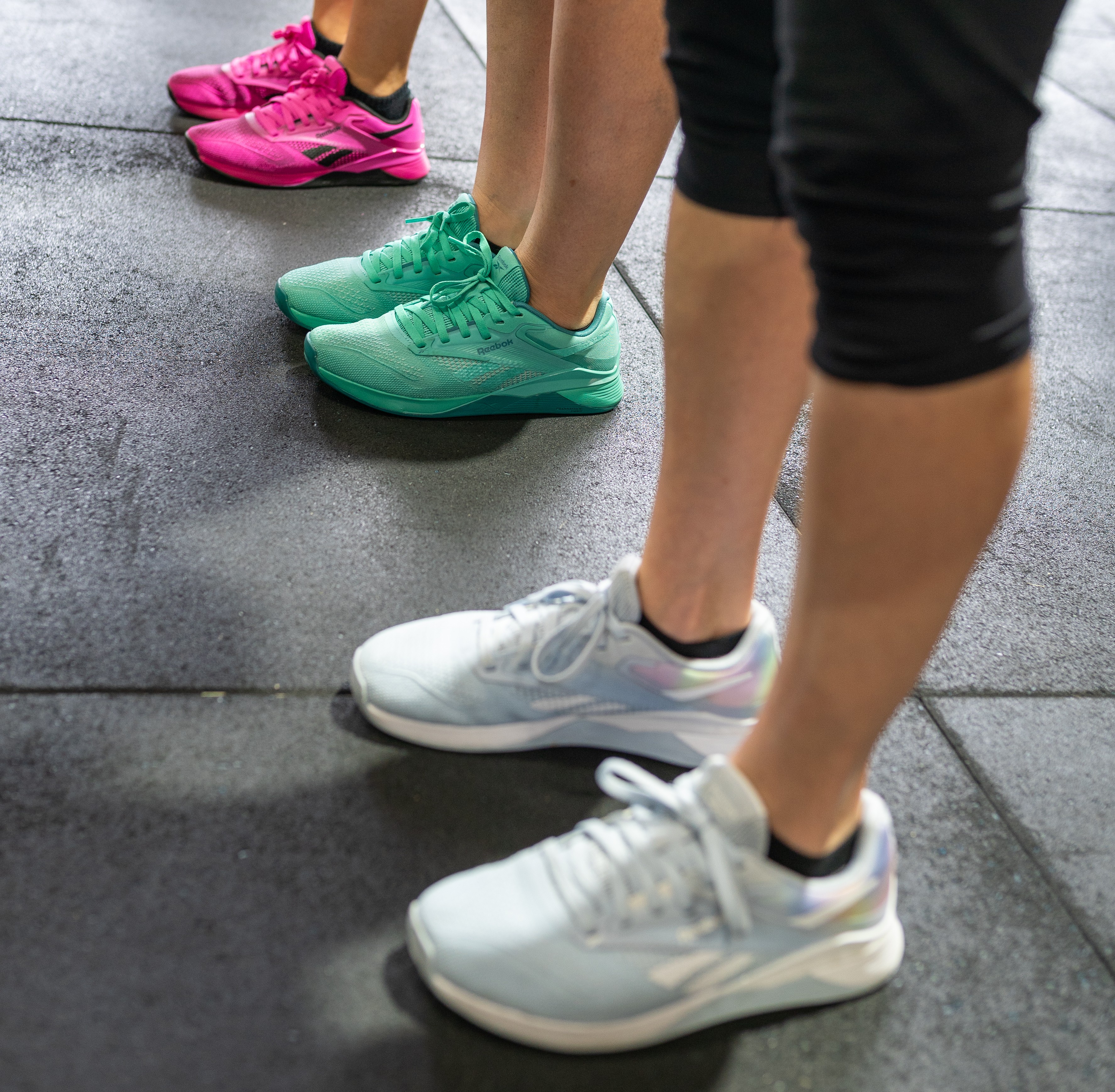
● Is your footwear too small (ie- narrow toe box looks good in a suit/dress but not for athletic purposes)
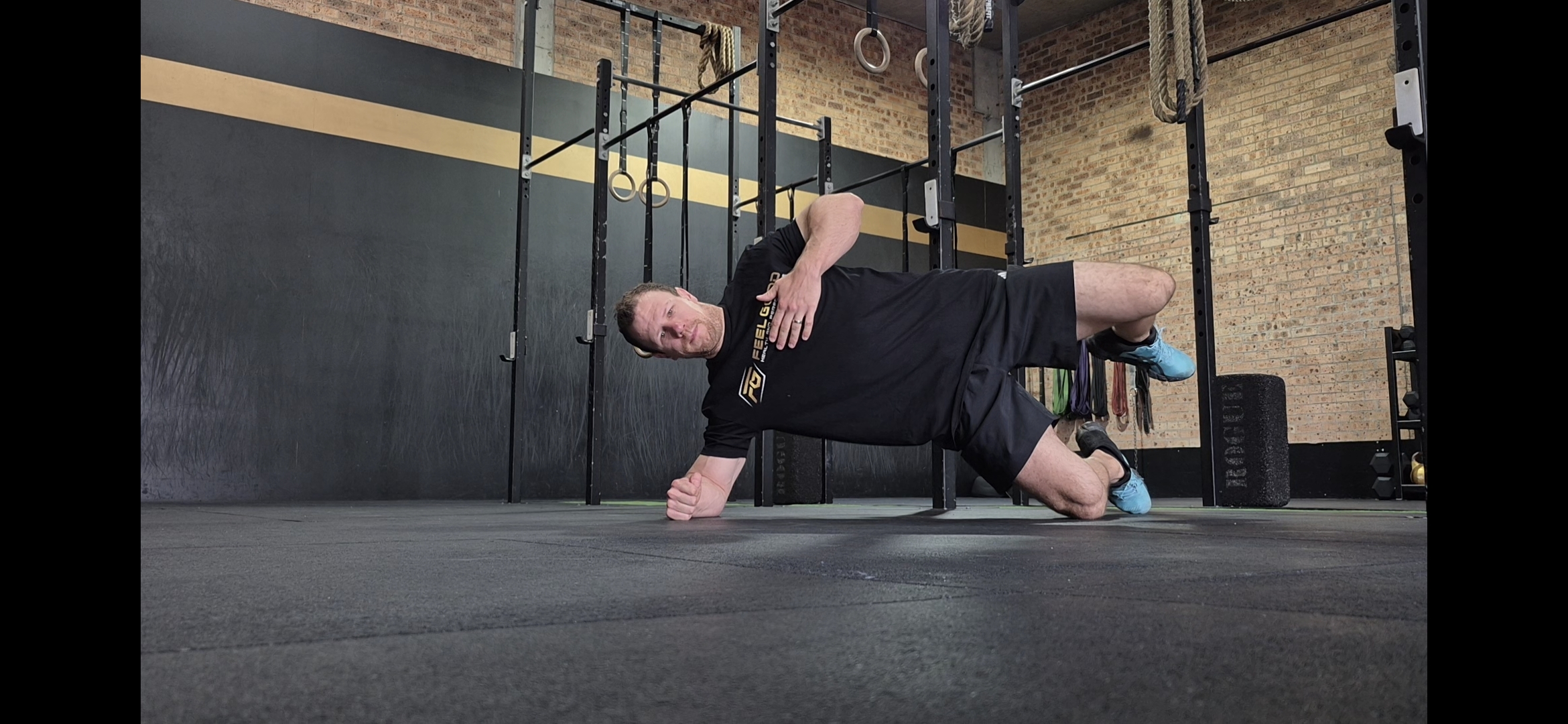
● Strengthen your glute med (RNT Split Squat, DNS Star would be my go to!)
● Strengthen your tibialis posterior
https://youtube.com/shorts/MgJ-OOYk3oA?si=FkxG5f5HFY__Clc6
https://youtube.com/shorts/3B0fooiEJ38?si=rmSxvxKScRgMCP2A







.png)
.jpg)
.jpg)

.jpg)
.jpg)

.jpg)
.png)
.png)
(1)(1)(1).jpg)
.jpg)
.jpg)
.png)
(1).jpg)
.jpg)