By clicking “Accept All Cookies”, you agree to the storing of cookies on your device to enhance site navigation, analyze site usage, and assist in our marketing efforts. View our Privacy Policy for more information.
Stay Strong, Stay Durable: Tendon & Ligament Health for Female Athletes
Learn how declining estrogen in perimenopause impacts tendons, ligaments, and injury risk — plus training and nutrition strategies to stay strong and resilient.
By
February 2, 2026
Related

Tendon and ligament health for female athletes I’ve had so many positive comments and conversations about my first article on perimenopause and training, it’s been amazing and humbling, thank you for reading and responding! I thought it would be good to do a part two that came to mind when writing up my other recent article on bone health.
Estrogen levels decrease in perimenopause
Perimenopause is a normal life stage for women that can start from anywhere in our mid-30s through to 50s, when our bodies start gearing down on estrogen (and progesterone, and testosterone) production – the endpoint of this some 8-10 years later is menopause. You might think this is just a reproductive health issue, but actually estrogen receptors are found everywhere in the female body including brain, skin, muscles, and bones. This means estrogen levels influence all these different things.
The science behind bone health
Bone health relies on our bodies using specific cells for breaking down (osteoblasts) and rebuilding (osteoclasts) bones to keep them healthy and make them stronger. For women, estrogen is a critical regulator that slows down the breakdown process, and it’s also one of our strongest anti-inflammatories. So when estrogen declines in perimenopause, we don’t rebuild bones and fast as they break down, and we have more inflammation.
Tendons and ligaments
Here’s the part that blew my mind – our tendons and ligaments are maintained and broken down using that same process. We’ve all heard about the dangers of osteoporosis as we age, but few of us realise the same risk of injury applies to our soft tissues as well!
In about 70% of women in midlife (!) this can lead to more muscle, joint and tendon pain, which can crop up as new or lingering tendon/ligament issues like plantar fasciitis, frozen shoulder, arthritis, and strains or tears. New research has named this the musculoskeletal syndrome of menopause.
Training for longevity
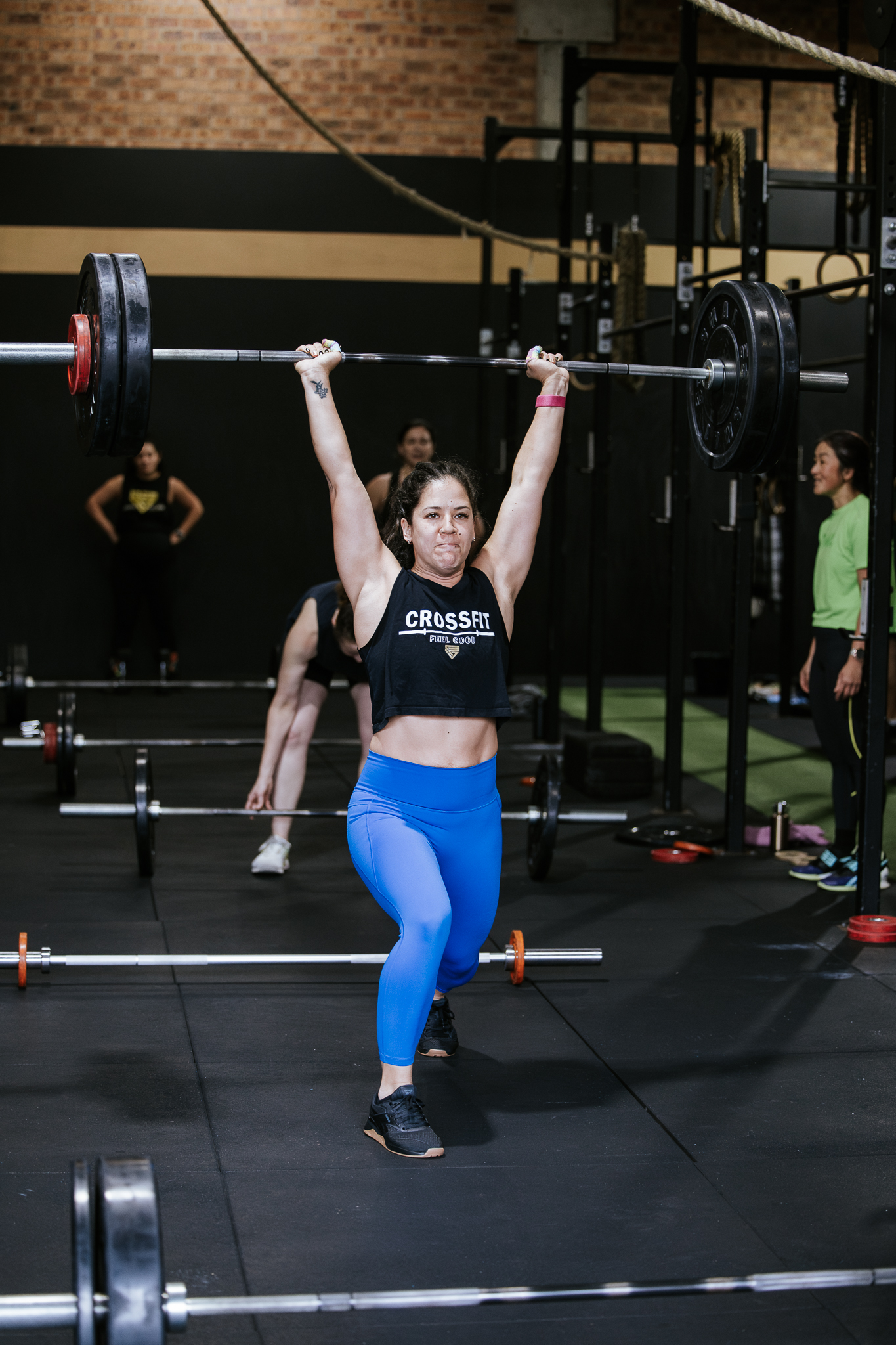
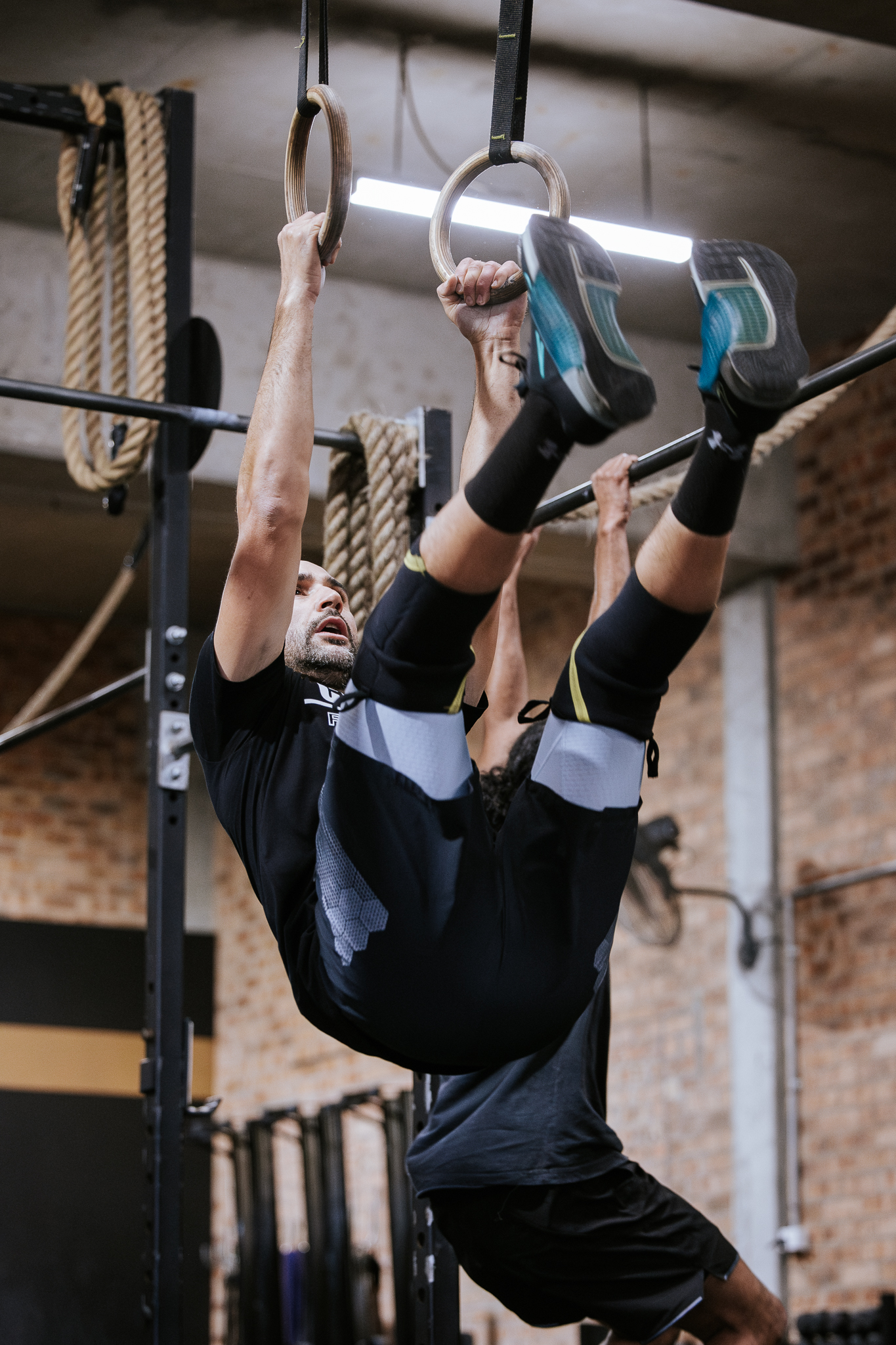
Luckily the things you’re already doing to maintain lean muscle mass and bone density will also help with tendon and ligament health too – strength training to build, high impact to stress and strengthen, enough protein for the (re)building blocks, and considering menopause hormone therapy (estradiol, progesterone and testosterone) to maintain the protective effects of estrogen on the musculoskeletal system.
If reading this has triggered any lightbulb moments for you as a female masters athlete, talk to your FG coaches about any tweaks or strains, keep training consistent and scale when you need to, and mention any tendon / ligament / cartilage issues to your healthcare provider when you’re discussing perimenopause, so that you’re getting all the right support to stay strong and healthy for the years to come.




.png)
.jpg)
.jpg)

.jpg)
.jpg)
.jpg)
.png)
.png)
(1)(1)(1).jpg)
.jpg)
.jpg)
.png)
(1).jpg)
.jpg)